
When something makes you nostalgic, do you have feelings of warmth and security? Longing, connection? Or do you feel sadness and melancholy?
Whatever feelings nostalgia gives you, the most important part, from a business point of view, is that it evokes a strong emotion.
There are few feelings as strong as nostalgia, and it’s something anyone can feel. In recent years, more businesses have utilized nostalgia to connect with their audiences and increase engagement. Various retro marketing strategies have been launched that have driven engagement and brand affinity, while some products rely solely on nostalgia to spark interest and sales.
If you want to bring your audiences back in the past and make your brand messaging more memorable and emotionally resonant, join us to explore why nostalgia marketing is trending, why it’s effective, which brands have leveraged it, and how to implement it in your own strategies.
What Is Nostalgia Marketing?
Nostalgia marketing is a strategy that uses past trends and memories to create positive emotional connections with consumers. When using wording, sounds, and imagery to remind people of experiences or products they loved or have fond memories of, brands can evoke feelings of comfort, joy, familiarity, reassurance, and other positive emotions.
When executed well, nostalgia marketing taps into emotional triggers and can create a sense of stability, helping consumers feel grounded and connected, which can influence their purchasing and engagement decisions.
Nostalgia marketing differs from branding. Marketing uses retro elements to create campaigns or promotions that spark emotional responses, while branding incorporates nostalgic cues into a company’s overall identity, like logos, colors, or packaging.
The Three Types of Nostalgia in Marketing
Let’s take a closer look at the different types of nostalgia and how they can be incorporated into marketing strategies:
- Individual Nostalgia taps into personal memories from a consumer’s own past, often from childhood. It evokes emotions tied to specific experiences, like favorite toys, snacks, or games.
- Collective Nostalgia targets shared experiences from a particular generation and reminds customers of a specific year or decade. These memories are often idealized versions, where individuals have romanticized and simplified “the good old days.”
- Stimulated Nostalgia occurs when people feel a sense of longing for a time they never actually experienced. This is common among younger audiences, like Gen Z, who may get nostalgic for the 90s or early 2000s through movies, fashion, or pop culture, even if they weren’t alive during that era.

Why is Nostalgia Marketing Trending?
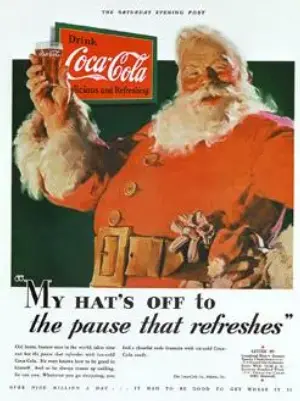
There have been several notable nostalgic marketing strategies from larger companies over the past decade. Some have taken the form of long-running campaigns, such as Coca-Cola continuing to use the same iconic Santa Claus imagery created in 1931, while others depend on visual throwbacks, such as Burger King changing its logo back to a version created in 1999.
Other brands revolve around nostalgia, while other forms of media reached new heights of popularity and global impact because of it, which can be said for the global phenomenon series Stranger Things, which repeatedly comes up in online discussions for echoing feelings of nostalgia, even for viewers who never lived through the 1980s.
Although nostalgia marketing has been around for several years, why is it becoming a more common strategy, even for smaller brands?
There are a few reasons we can pinpoint.
1. People Need More Comfort
Research has shown that brief nostalgia interventions can increase happiness. In recent years, political instability, global tensions, and rising costs have put stress on daily life and overall well-being, making people more likely to seek familiar, comforting experiences. Nostalgia offers a safe emotional space, which can help create a sense of stability.
This trend is stronger now than in the past because social media constantly exposes us to global crises, economic pressures, and cultural conflicts, making looking into the past feel more like escapism. At the same time, social media has made it easier than ever to access these comforting memories, even without people initially intending to.
2. There’s a Stronger Need for Connectedness
People were less extroverted, less open, less agreeable, and less sympathetic in the years after the COVID-19 pandemic, and many were pushed to become more guarded and hypervigilant. At the same time, humans have a basic psychological need for social connection, which supports overall well-being. Because nostalgia often centers on shared experiences, it helps meet that need.
Nostalgic memories tap into these social emotions, helping people feel a sense of connection. This can translate into stronger engagement on social media and more interaction with a brand, which helps explain why more brands are leaning into nostalgia as a way to reconnect with their audiences.
3. It Can Save Development and Marketing Costs
Feelings of nostalgia aren’t new, and even our grandparents’ grandparents likely felt nostalgic for the times when they were children. While some changes in the world have definitely increased longing for those familiar memories, businesses are using nostalgia more now to strategically lower costs.
For example, products from the past decades can be re-released at a fraction of the cost of creating something completely new. This is especially common with 90s toys and games, allowing Generation X and Millennials to relive fond childhood memories, while giving younger generations a glimpse into the past.
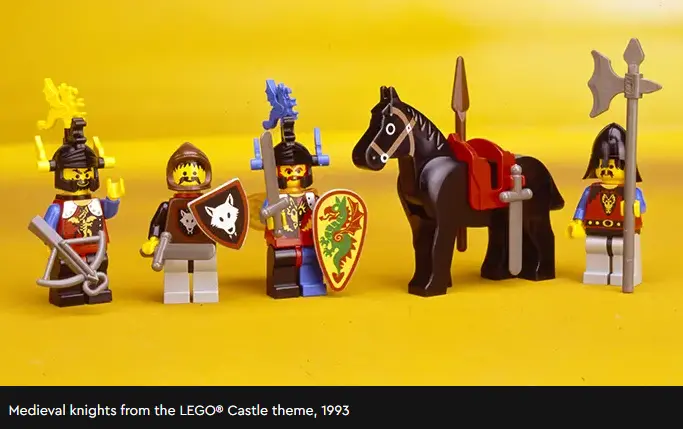
This approach can be seen across media and entertainment, with brands like Disney releasing live-action versions of beloved animated films or LEGO reissuing classic sets. Companies save on development costs, and they can better predict reception because there’s already an established fanbase. The same applies to marketing campaigns, as imagery and messaging often already exist, making it easier and cheaper to launch campaigns that resonate emotionally with audiences.
How to Use Nostalgia Marketing in Your Business Strategy
Here are some tips for implementing nostalgia in your marketing approach:
Focus On What Makes Your Brand Familiar
Nostalgic experiences heighten emotional engagement, which humanizes brands and makes them more relatable. When consumers feel a personal or collective nostalgia tied to a brand, they are more likely to trust it and develop an attachment. This attachment increases the likelihood of repeat purchases, as consumers assign higher emotional value to brands that evoke familiar and positive memories.
For example, Nivea’s #SkinLikeVelour campaign partnered with 2000s brand Juicy Couture to celebrate the relaunch of Essentially Enriched Body Lotion. The campaign evoked Y2K nostalgia with playful early-2000s visuals, era-relevant outfits, and fondly remembered music. Through social media marketing, the brand promoted its product while connecting emotionally with consumers who remember the era fondly.
Blend Old Imagery with New
You can market new products using older imagery by referencing visual styles, campaigns, or cultural moments from past decades to tap into your audience’s emotional memories. This approach also leverages the “comfort of the familiar” to make new offerings feel approachable and desirable, but you are also showing your innovation and relevance by incorporating new styles, imagery, and products.
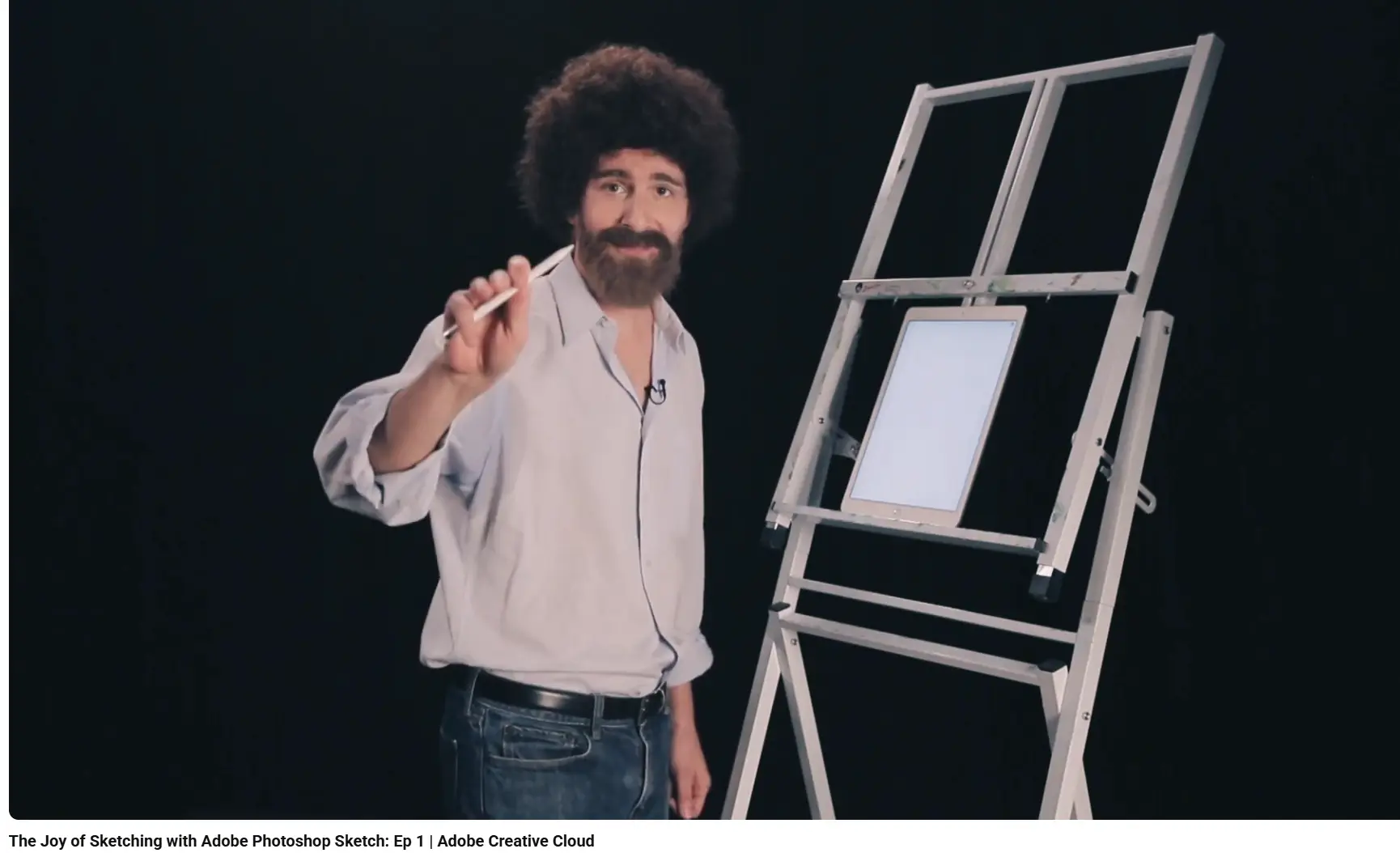
For example, Adobe tapped into nostalgia while promoting its Creative Cloud products by creating a vintage-styled video inspired by Bob Ross’ painting tutorials. The video mirrored the iconic “happy little trees” style and calming narration of Ross’s classic shows, but replaced the traditional canvas with an iPad Pro and Adobe apps, referring to it as a “happy little cloud”.
Adobe is blending the familiar painting format with modern tools, connecting emotionally with audiences who remember Ross’s videos, while highlighting the capabilities of its new digital products.
Use Storytelling in Your Marketing
Storytelling lets brands create emotional connections by linking products or campaigns to cherished memories. Nostalgia-driven stories work especially well because they trigger positive feelings from the past, making audiences more receptive and engaged.
Brands can highlight memories and tell a new story through them. For instance, your brand could market a product by showing someone using it in a situation that mirrors experiences your audience had growing up, such as hanging out with friends, celebrating milestones, or enjoying hobbies.
Brands can also invite their audience to participate in the story. Asking consumers to share their own memories tied to the product category or style turns personal nostalgia into community engagement. For example, a new beverage brand could run a social media contest asking followers to share their favorite childhood drink moments, pairing user-generated content with playful retro visuals that reinforce the brand’s story.
Discover New Marketing Approaches Beyond Nostalgia
Nostalgia marketing is just one of many underutilized strategies that can help your brand stand out. While we’ve highlighted examples from larger brands, any business can incorporate nostalgic elements to build stronger emotional connections and increase engagement.
Looking for other ways to strengthen your brand and build trust with customers? Explore our other blogs for fresh marketing approaches, tips, strategies, insights, and much more.
FAQs: Nostalgia Marketing
Who should brands target with nostalgia marketing?
Nostalgia marketing can resonate across multiple generations, but brands must tailor their approaches to focus on the “golden era” of the demographic they want to target:
- Baby Boomers are drawn to the 60s and 70s
- Gen X connects with cultural touchpoints from the 1980s.
- Millennials often respond to references from the 90s and early 2000s
- Gen Z can be reached through retro experiences they didn’t live through, such as vintage fashion, vinyl records, or iconic toys from past decades.
Which industries benefit most from nostalgia marketing?
Certain industries are particularly well-suited for nostalgia marketing, including entertainment, food and beverages, fashion, lifestyle, and technology. This is due to their deep ties to everyday routines, personal milestones, and cultural moments that people associate with earlier stages of life.
Products in these spaces are often experienced repeatedly over time, which makes them easier to link to memories, emotions, and shared cultural touchpoints. However, brands from other industries can also benefit when they carefully curate marketing materials with nostalgia in mind.
Does nostalgia marketing only work for older brands?
Not at all. Newer brands can leverage nostalgia by tapping into familiar cultural eras or shared experiences that resonate with their audience. Consumers often enjoy nostalgic feelings, even without them being tied to a specific product, object, or lived experience.
As long as marketing campaigns are thoughtfully executed and the retro elements feel natural rather than forced, even new brands can build emotional connections, spark curiosity, and stand out even without a long history.