

Over the years, we’ve seen some truly memorable marketing campaigns. From Old Spice’s “The Man Your Man Could Smell Like” to Nike’s “Just Do It,” powerful strategies and creative approaches have been launched to make a lasting impact on audiences.
While some campaigns may not achieve their intended goals or fail to resonate with audiences, others have encouraged consumer action and even altered entire industries in the process.
But what makes a marketing campaign stand out from the crowd, and what are some of the best marketing campaigns that can inspire our own approaches?

What Is a Successful Marketing Campaign?
Here’s what makes a marketing campaign hit the mark and be considered successful:
- Clear Objectives: Successful marketing campaigns start with specific objectives, such as promoting a new product, increasing sales, or building brand awareness. Define these goals first and refer back to them throughout your campaign.
- Targeted Audiences: Often, your brand’s usual target audience and the target audience for your marketing campaign can differ, as the campaign may focus on a particular segment or demographic. Doing some market research through surveys, focus groups, or customer interviews helps you pinpoint the right (and often most receptive) audience.
- Engagement Opportunities: A big part of a winning campaign is getting your audience involved. User-generated content, social media interaction, or running contests help to build a community around your brand and make it more engaging.
- Multi-Channel Approaches: For your marketing campaign to have a larger impact and better ROI, leverage different channels such as social media, email, and paid advertising to increase your reach and engagement.
- Adaptable Tactics: Trends, world events, algorithm changes, and other unexpected circumstances can make or break your marketing campaign. Make sure it’s flexible and be prepared to adapt it to seize opportunities and adjust to setbacks.
- Consistency: Stay true to your brand’s voice, colors, messaging, and imagery across your marketing campaigns to make it more recognizable and increase brand trust.
Even with all the right elements, a marketing campaign may still fall short of its goals.
Factors such as poor timing, ineffective distribution, a lack of engagement, or unexpected obstacles can prevent a campaign from being successful.
In these cases, it’s important to review the marketing campaign and analyze what went wrong so that in the future, you can make adjustments and learn from past mistakes to deliver new, improved campaigns.
The 5 Best Marketing Campaigns We Can Learn From
Now that we have some insight into what defines a successful marketing campaign, let’s talk about the top, most impactful marketing campaigns we’ve seen:
1. Dove – “Real Beauty”

Through the “Real Beauty” campaign that began way back in 2004, Dove went a step further when advertising its products.
The brand took a revolutionary step to completely change its industry and influence consumer behavior by challenging how women are represented in the media and how this impacts beauty standards, mental health, and self-image.
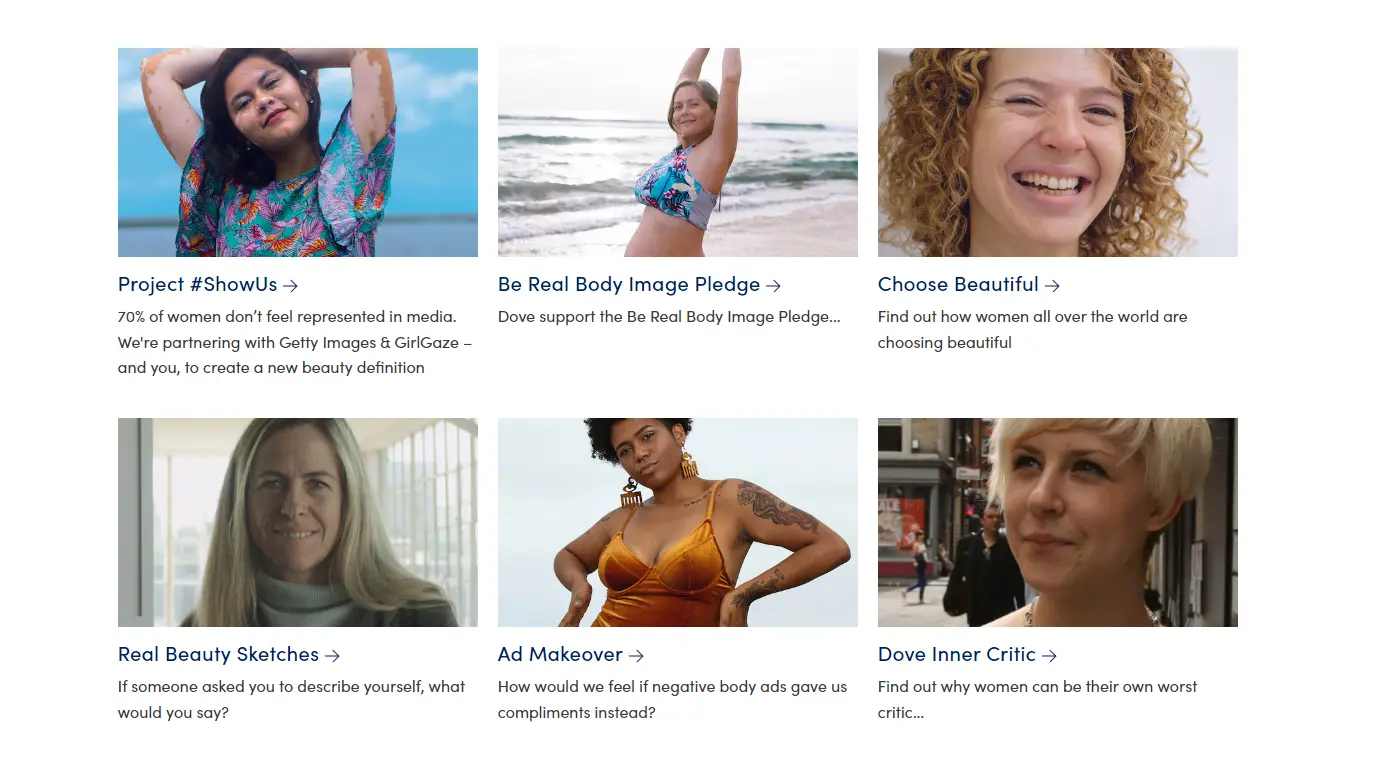
Dove addressed the damaging effects of unrealistic beauty ideals and challenged the typical portrayals of beauty in advertising by showcasing women of diverse body types, ages, and ethnicities. The campaign focused on promoting body positivity, self-acceptance, and inclusivity, which had never been done before by a global brand.
Through the campaign’s billboards, TV adverts, and other marketing materials, Dove featured real, ordinary women rather than professional models, as the campaign aimed to resonate with a wide audience.
Other marketing strategies were incorporated, such as unique hashtags like #IamRealBeauty and #SpeakBeautiful.
Even today, the campaign continues to evolve alongside new cultural issues and industry trends.
Why It Works
Dove’s “Real Beauty” campaign works because it prioritizes inclusivity and diversity, positioning the brand as socially conscious and caring about its customers’ well-being. Over the last two decades, the campaign has helped establish Dove as a brand that genuinely cares about fostering positive change, not just selling products.
The key takeaway from this campaign is that brands can connect with their audiences by being authentic and addressing relevant, serious issues. Dove’s commitment to making a positive change within its industry allowed it to build lasting, meaningful relationships with customers.
Although Dove focuses on body positivity for women as a personal care brand, businesses in any industry can integrate a purpose-driven message that extends beyond the products or services they offer.
2. Apple – “Get a Mac”
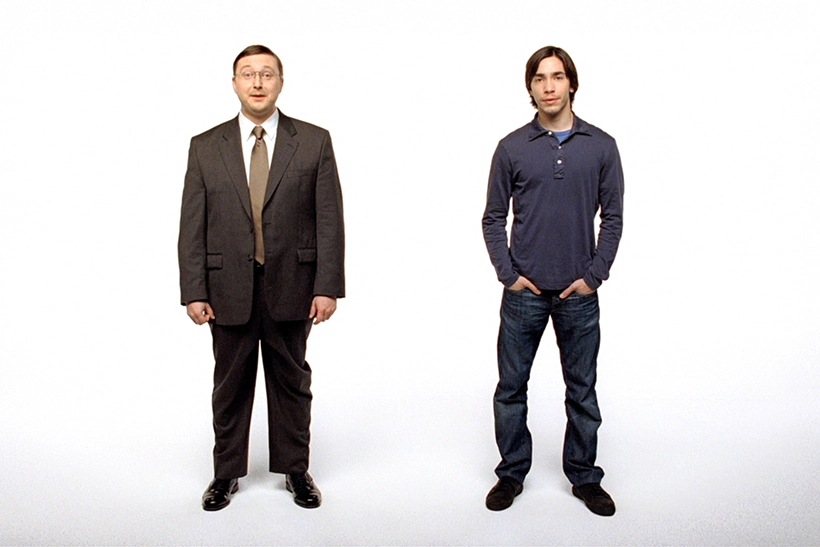
From 2006 to 2009, Apple ran its iconic and award-winning “Get a Mac” campaign through a series of TV advertisements across several countries, including the US, Canada, the UK, Australia, and New Zealand.
Each advertisement followed a similar structure, with two characters, one representing a Mac and the other representing a PC, engaging in a conversation.
Through these conversations, body language, and outfits, the Mac was portrayed as youthful, easygoing, and efficient, while the PC was more formal, awkward, and frustrated. After a brief interaction between the Mac and PC, the adverts would conclude with a still image of a Mac.
The campaign aimed to shift public perceptions of Macs, presenting Apple products in a simple and relatable way.
Rather than focusing on technical specs, the ads emphasized the everyday benefits of Macs, like their ease of use, reliability, fewer security issues, and superior performance.
Why It Works
Apple superbly demonstrates how a seemingly simple marketing approach can make an extraordinary impact. Through straightforward conversations, Apple completely changed the image of Macs, showcasing them as a cool, user-friendly alternative to PCs.
The humor woven throughout the ads made them more engaging and memorable for audiences. Apple effectively targeted both tech enthusiasts and those less familiar with technology, making the campaign accessible to a broad demographic.
The “Get a Mac” campaign is a key example of the personification of a product or brand. Through this approach, businesses can establish emotional connections and relate to audiences, who are more engaged when a product exhibits human characteristics.
By personifying Macs as fresh-faced and relaxed while portraying PC as stiff and outdated, Apple created a favorable narrative for its product.
After these ads aired, audiences gained a new perception of what a Mac was, and, thanks to the creative ingenuity of these ads, there was a lasting impact on how Apple’s products were viewed compared to their competition.
3. Coke – “Share a Coke”
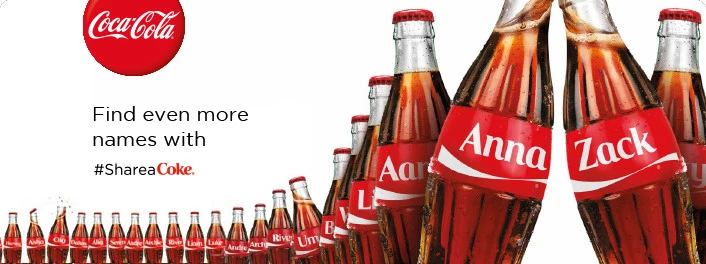
In 2011, Coke began its most memorable marketing campaign, “Share a Coke”, which led to a sales increase of 2%.
Originally launched in Australia, the campaign’s main idea was to replace the iconic Coca-Cola logo on bottles with popular names and nicknames, encouraging consumers to find and purchase bottles with their name or their friends’ and family members’ names.
Beginning with 250 of each country’s most popular names, the campaign quickly expanded to include over 1,000 names, along with terms like “Mum,” “Dad,” “Bestie,” and “Partner” to cater to various personal relationships.
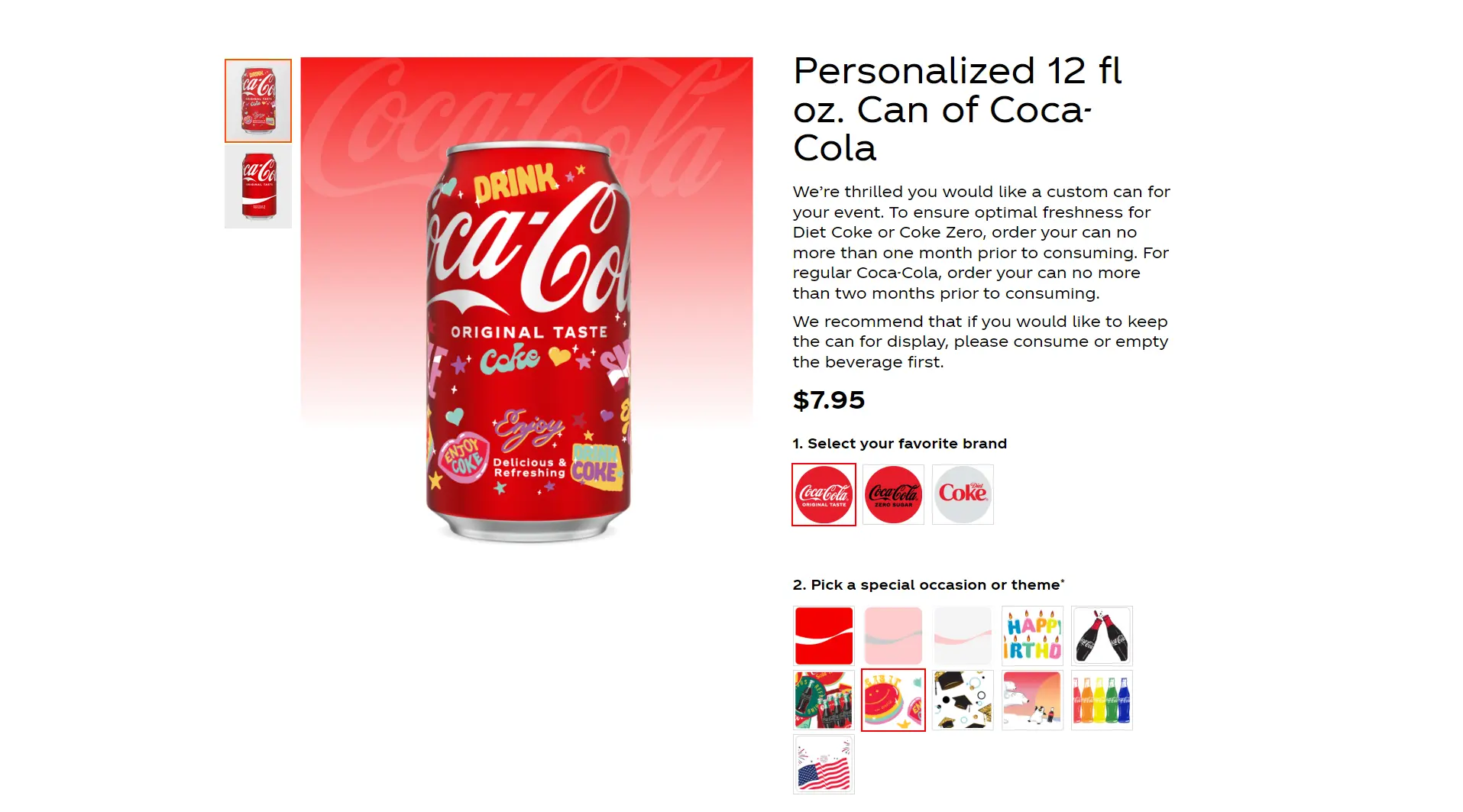
Years later, the campaign remains relevant, with Coca-Cola allowing consumers to personalize bottles and cans through its official online store. Now, even those with unique or uncommon names can participate in the experience, keeping the campaign fresh and inclusive.
Why It Works
The genius of the Share a Coke campaign comes down to its ability to create a personalized experience for everyone buying the product. Consumers were on ‘treasure hunts’ to find bottles with specific names, turning a simple purchase into a memorable endeavor.
This personal touch drove people to engage with the product and encouraged them to share their finds on social media using the hashtag #ShareaCoke. The campaign generated plenty of user-generated content and word-of-mouth promotion, further expanding its reach.
If we were to learn just one thing from this campaign, it would be that personalization and inclusion resonate with audiences and create a buzz that can last for years.
4. Pepsi – “Is Pepsi Ok?”
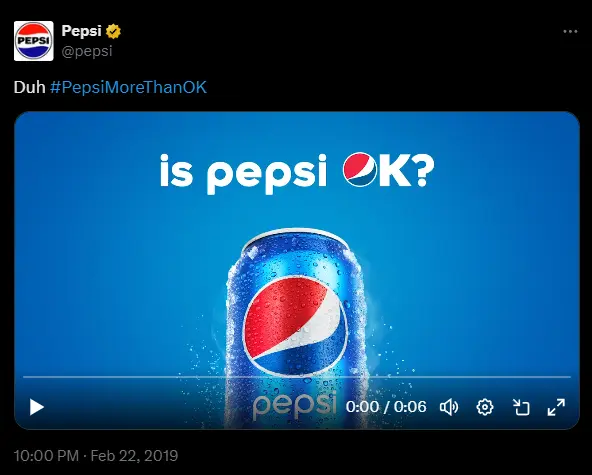
Coke isn’t the only beverage brand that makes an incredible impact with a worldwide marketing campaign. Coke’s main rival, Pepsi, also had a vision to improve sales and interact with its target audience, but through a different, more subtle approach.
In 2019, Pepsi showcased a Super Bowl ad featuring comedic actor Steve Carell, among other celebrity cameos, to address a mainstream joke around dining interactions.
The joke, “Is Pepsi ok?” became a well-known humorous reference to situations where a customer at a dining establishment asks for a Coke but is offered Pepsi instead.
The advertisement opens with a woman ordering a glass of Coke at a diner, only for the waiter to ask, “Is Pepsi okay?” Comedic actor Steve Carell appears, visibly shocked, and responds with, “Okay!? Are puppies okay?” among other hyperbolic comparisons in an over-the-top tone.
The ad concludes with the original customer enjoying a Pepsi alongside the hashtag #MoreThanOk, which gained traction on social media platforms, creating a widespread online discussion and making Pepsi a trending topic.
Why It Works
Through this marketing campaign, Pepsi capitalized on a well-known cultural joke. Rather than taking itself too seriously, it used humor to tap into a familiar and relatable experience.
In the ad, the brand shows how its product can be enjoyed with enthusiasm rather than as a second choice.
“Is Pepsi Ok?” demonstrates how a perceived weakness can be transformed into a strength by using humor to shift the narrative, whereas typically, businesses will avoid mentioning weaknesses altogether or attempt to disguise them.
Pepsi’s approach of embracing and playfully addressing the joke positions it as a confident and relatable brand that can laugh at itself.
At the same time, this campaign encouraged discussions and put the common reference in a new perspective, potentially persuading more consumers to willingly purchase and try the product.
5. GoPro – “Awards”

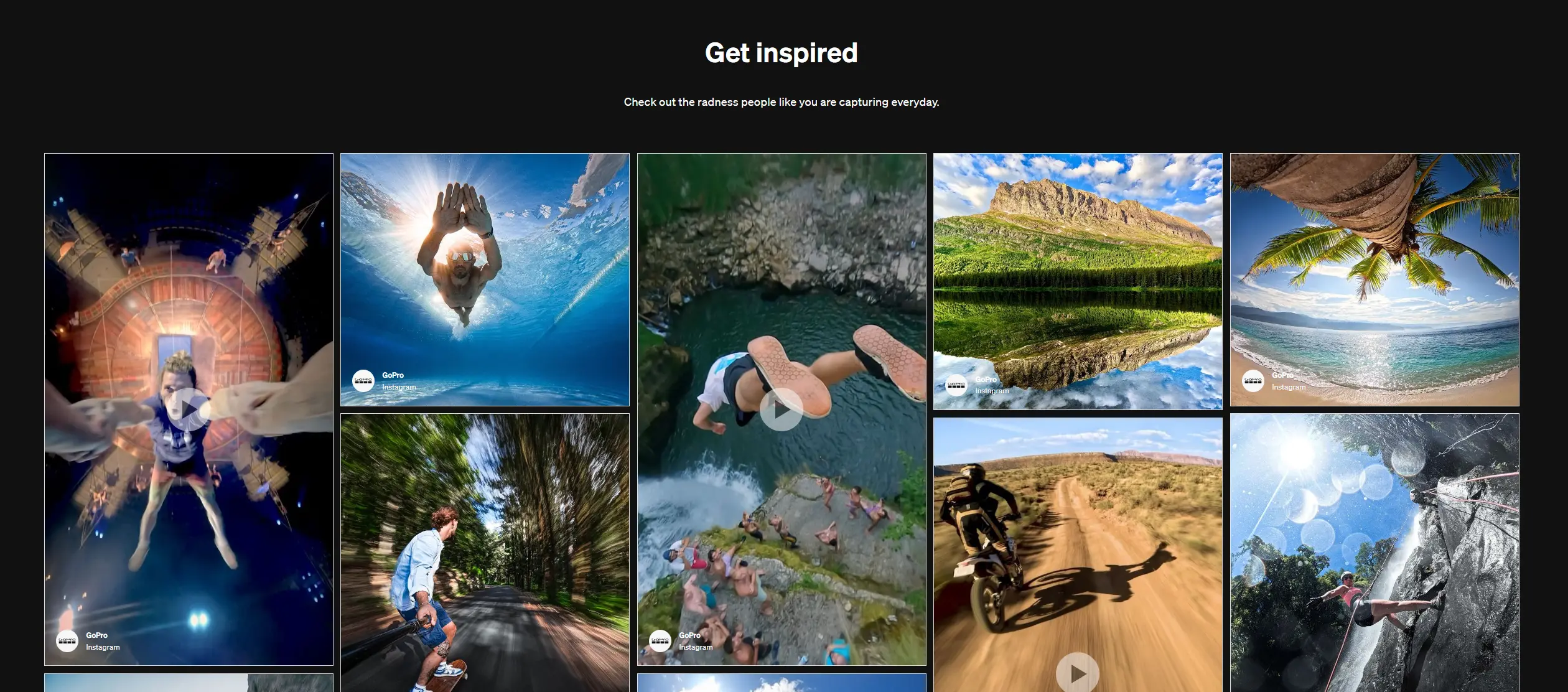
The action camera brand GoPro is well-known for encouraging the public to share their exciting, action-packed experiences through engaging campaigns.
These award-based campaigns, including the Million Dollar Challenge and the Be a Hero Challenge, set out to prompt customers to submit their footage and edits to win products, be featured in social media content, or receive cash prizes.
GoPro even made sure not to miss out during lockdowns in 2020 by launching a Home Pro Challenge. Anyone could participate in this challenge by using their GoPros to show what they were doing at home and celebrate their creativity and community, even during a challenging and uncertain period.
As each award campaign was launched, hashtags like #MillionDollarChallenge, #BeAHero, and #HomeProChallenge were introduced, prompting widespread participation and content sharing.
Why it Works
GoPro manages to utilize the awards campaigns to encourage user-generated content and showcase its products with minimal effort from the brand itself.
Anyone who participates in the campaign effectively becomes a brand ambassador by demonstrating how easy the cameras are to use for “amateurs” and what they’re capable of.
With this approach, GoPro incentivized purchases, as audiences are both encouraged by the potential to win prizes and informed about the quality of GoPro products.
GoPro’s Head of Community Marketing, Kelly Baker, even stated that the brand receives enough submissions for each challenge to fuel the next year’s content, which ranges from TV ads to social media posts.
The ongoing success of GoPro’s awards campaign comes down to the use and opportunities of user-generated content to create a cycle of engagement and promotion.
By harnessing UGC, brands can minimize costs during marketing campaigns while still getting their message out onto social media platforms and utilizing the enthusiasm created by consumers.
Create Marketing Campaigns That Fit Your Business
As we’ve explored, there are countless creative ways to get your brand noticed and drive sales through well-designed marketing campaigns.
Even smaller businesses can take inspiration from these examples to spread their message, boost engagement, and hit other goals like growing their audience or building stronger customer loyalty.
Marketing isn’t one-size-fits-all, and every campaign is a chance to experiment and refine your approach, even with fewer resources than the businesses we’ve discussed. Plus, creating campaigns is just one way to put your brand on the map.
For more guides, tips, and insider tricks to help your marketing stand out, check out our blog and start planning your business’s next big move.