

Instagram isn’t just a photo-sharing app, but a powerful marketing platform with over 3 billion monthly users worldwide.
For beginners, small business owners, and marketing pros alike, mastering Instagram can help grow your brand and engage customers. This step-by-step guide breaks down practical Instagram content strategies with real examples of successful campaigns along the way. Let’s get started!
Step 1: Switch to a Business Account and Optimize Your Profile
Before diving into content, lay a strong foundation.
Switch to an Instagram Business or Creator account, which is free and unlocks helpful features like analytics (Insights), advertising options, and shoppable posts.
Next, optimize your profile so that any visitor immediately understands your brand:
- Profile Photo: Use a clear, high-quality image, such as your logo or a friendly, professional headshot for personal brands. It should be easily recognizable even as a small circle.
- Username & Name: Make sure your @username is easy to search (usually your business name). In the Name field, you can include keywords (for example, “Acme Bakery – Cupcakes”) to improve discoverability.
- Bio: Craft a concise bio that describes what you do and packs in relevant keywords for search. You have limited characters, so highlight your unique value or tagline. You can add a bit of personality (an emoji or brand slogan) as long as it’s clear. Also include a call-to-action if appropriate (e.g. “👉 Shop our latest products below!”).
- Link: Take advantage of the single bio link. Link to your website, an online store, or a LinkTree that compiles multiple links. Update it whenever you have a new campaign or promotion.
- Contact & Highlights: For business profiles, fill out your contact info (email, phone, address) so customers can reach you easily. Set up Story Highlights to showcase important content (like FAQs, testimonials, or product categories). Organize highlights by theme so viewers can quickly find what interests them.
Putting effort into your profile pays off. It’s your digital storefront on Instagram, so make that first impression count.
Step 2: Identify Your Target Audience
Successful marketing begins with knowing who you’re speaking to. Take time to clearly define your target audience and ideal followers. Ask yourself: who are they, and what do they care about?
Try to outline key details about your audience, such as their age range, location, interests and hobbies, and even pain points or needs. For example:
- Demographics: How old are your ideal followers? Where do they live? What language do they speak?
- Interests & Hobbies: What topics grab their attention? Are they foodies, fitness enthusiasts, or fashion lovers?
- Behaviors: How do they use Instagram – for inspiration, shopping, tutorials? Do they prefer watching Reels or browsing photos?
- Needs/Pain Points: What problems or desires might your product or service address for them?
If you already have an Instagram account, check your Insights for audience info like top age groups, locations, and active times. This data helps ensure your content will resonate. For instance, a local bakery might find most followers are 25–40 year-olds in their city who love seeing behind-the-scenes kitchen videos. With a clear picture of your audience, you can tailor content they find valuable and engaging.
Step 3: Define Your Instagram Marketing Goals
Now, decide what you want to achieve on Instagram. Setting clear goals will guide your content strategy. Common objectives include building brand awareness, growing an engaged community, driving traffic to your website, or increasing sales. Be specific – for example, “gain 1,000 new followers in the next 3 months” or “boost online store sales by 20% via Instagram referrals.”
Make sure your Instagram goals align with your overall business goals. If your priority is brand awareness, you’ll focus on reaching as many people as possible with shareable content. To boost sales or generate leads, focus on posts that direct traffic to your site or promote exclusive deals. In other words, there should be a reason behind everything you post and a way to measure its impact.
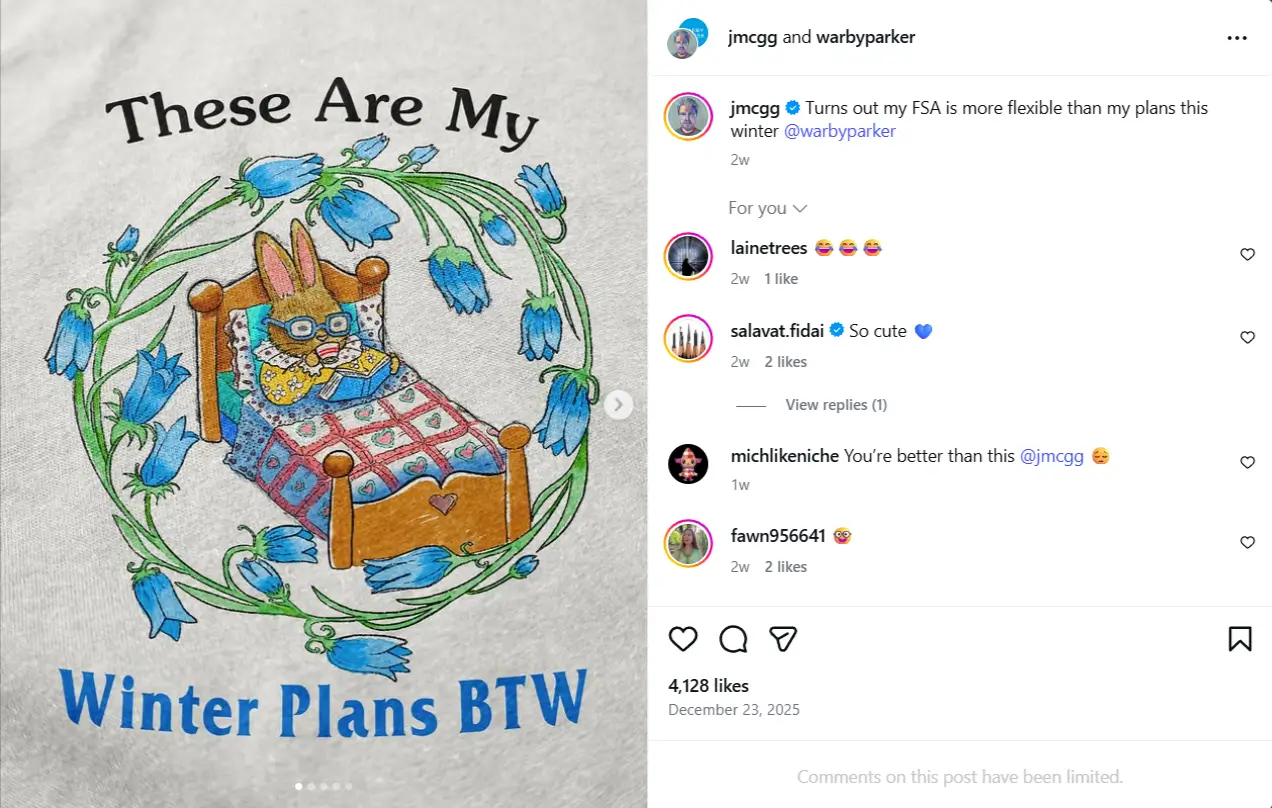
Image Source: Warby Parker’s Instagram post
For example, the eyewear brand Warby Parker often shares funny memes and relatable pop-culture posts that incorporate glasses with the current trends. Why? Likely because one of their goals is to humanize the brand and seem more fun and approachable. That content supports the goal by entertaining followers and giving the brand a personable voice. By contrast, if Warby Parker’s goal was purely to drive sales, their content might be more product-focused.
Take a moment to write down your top 1 – 3 Instagram goals. These will become your “North Star,” ensuring every post or Story serves a purpose, such as educating your audience, entertaining them, or convincing them to take action.
Step 4: Plan Your Content Calendar and Themes
With your foundation set, it’s time to plan out your content strategy. Random, last-minute posting is stressful and less effective. Instead, create a content plan or calendar so you can post consistently and strategically.
Start by brainstorming a few core content themes or “pillars” that fit your brand and audience. For instance, a small fitness brand might choose pillars like: workout tips, healthy recipes, client success stories, and product spotlights. Having 3-5 content pillars makes sure you’re offering variety while staying relevant to your niche.
Next, map out a simple content calendar. This can be as low-tech as a monthly planner or as robust as a scheduling tool. Mark upcoming events, holidays, or promotions you want to post about (product launches, sales, or seasonal topics). Aim to post regularly, whether that’s twice a week or daily, and choose a schedule you can maintain consistently. Consistency is important because active accounts tend to gain more followers and engagement over time.
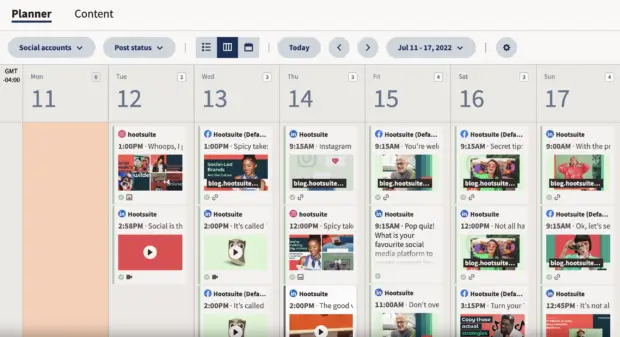
Image Source: Hootsuite scheduling tool
Using a content calendar tool to schedule Instagram posts can help you maintain a consistent posting rhythm. Planning posts in advance also ensures you cover key dates (like holidays or launches) and can even reduce typos and last-minute stress!
Batch-creating your content ahead of time is a huge time-saver. You can schedule posts in advance using third-party tools (or Meta’s own Creator Studio/Business Suite) so that content goes out at peak times even if you’re busy. Many tools will even suggest the best times to post based on when your followers are most active online. By planning ahead, you’ll always have something ready to publish, keeping your presence active and your audience engaged.
Step 5: Create Engaging, High-Quality Content (Mix It Up!)
Now for the fun part – creating content! Instagram is a visual platform, so focus on making your posts attractive and on-brand. Use clear, well-lit images and videos, and try to maintain a consistent style (colors, filters, tone) that reflects your brand’s personality. This doesn’t require professional photographers for everything; modern smartphones and free editing apps (like Canva or Lightroom presets) can help you produce polished visuals.
Engagement
Equally important, make your content engaging. One of the best strategies is to mix up the content formats you use. Instagram offers several formats – and each has its strengths:
- Feed Photos (single images): Great for showcasing products, telling a visual story, or sharing quotes/tips. Ensure your captions add context or a call-to-action (CTA).
- Carousels (multiple images/videos in one post): Ideal for tutorials, before-and-afters, or collections of ideas. Carousels tend to drive the highest engagement rates according to Buffer’s research of any post type, because they encourage swipes and saves. If you have a lot to say or show, a carousel is your friend.
- Stories (disappearing content lasting 24 hours): These are by far the most popular format on Instagram. Stories are great for off-the-cuff, authentic content: daily behind-the-scenes snippets, quick polls or questions, or sharing user posts. They create a sense of urgency (FOMO) since they vanish after a day. Plus, you can save your best Stories to Highlights on your profile.
- Reels (short-form videos, 15–90 seconds): Reels are Instagram’s answer to TikTok and currently the format with the widest reach beyond your followers. The algorithm loves video content that entertains or inspires. Use Reels to share how-tos, mini vlogs, or fun trends in your niche – they can attract new viewers who don’t yet follow you.
- Live Videos (Instagram Live): Going live allows real-time interaction with viewers through Q&A sessions, behind-the-scenes tours, or interviews. Live streams can deepen connection and later be saved or repurposed.
Creativity and Experimentation

Image Source: Puma’s Instagram reel
Don’t be afraid to get creative and experiment with different styles of content. For example, you might create a playful Reel with a voiceover explaining your product (like Puma did with a narrated Reel), or use interactive Story stickers to engage your audience (like polls, quizzes, or question boxes). The key is to see what types of posts your audience enjoys most, and then build on top of it.
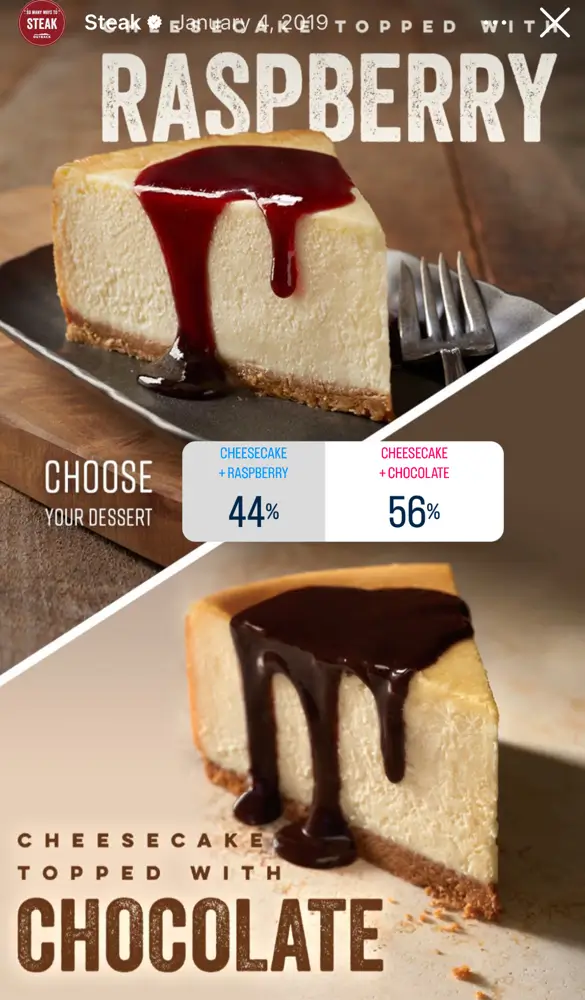
Image Source: Outback Steakhouse’s Instagram page
Outback Steakhouse uses Instagram Story polls (like the example above, asking fans to choose a dessert topping) to interact with their followers. Interactive stickers such as polls and quizzes invite your audience to participate, making your content more engaging and fun.
Quality matters, but on social media authenticity often trumps perfection. Mix in some spontaneous, humanizing content like a quick selfie video from the office or a customer testimonial (if it suits your brand). Even major brands find that “real” and personal posts can outperform slick ads. In fact, the most-liked Instagram posts of late 2025 by celebrities were personal moments (pregnancy announcements, etc.), not polished promotions. The takeaway: be authentic. Show your brand’s human side, share your values, and don’t worry if every post isn’t a Hollywood production. If it resonates with your audience, it’s doing its job.
Step 6: Use Hashtags and Collaborations to Expand Your Reach
How do you get your amazing content in front of new eyeballs? Two reliable tactics are hashtags and strategic collaborations:
1.Add Relevant Hashtags
Hashtags categorize your content and make it discoverable to people searching or following those topics.
Research a mix of popular and niche hashtags related to your business. For example, a local coffee shop might use broad tags like #CoffeeLovers or #CafeLife as well as specific ones like #LondonCoffee if targeting local customers. Instagram allows up to 30 hashtags, but quality beats quantity – using around 5–10 highly relevant hashtags per post is a good practice.
Create a brand hashtag too (e.g. #[YourBusinessName]) so that fans can tag you and so you can easily find user-generated content. Pro tip: Think of Instagram as a search engine – include keywords in your captions and even profile (not just hashtags) to improve your chances of appearing in searches. In 2025, Instagram’s search can parse keywords, so a descriptive caption can help the right people find your post.
2.Collaborate for Greater Exposure
Partnering with others can rapidly grow your audience. One option is influencer marketing – work with influencers or creators in your niche who already have the audience you want. For instance, a homemade cosmetics brand might partner with a beauty blogger to review or demonstrate products.
When Adidas launched a streetwear line aimed at hip-hop fans, they collaborated with big names like Snoop Dogg and Stormzy to tap into new audiences. You don’t need celebrities, though – micro-influencers (accounts with, say, 5k–50k followers in a local area or niche) can be very effective and often more affordable. Another collaboration tactic is using Instagram’s Collab Post feature, where two accounts co-author a post or Reel so it shows up to both sets of followers – a win-win for reach.
3.User-Generated Content and Contests
Encourage your customers or followers to become your brand ambassadors.
A classic example is Starbucks’ annual #RedCupContest, which urges customers to share a photo with the iconic holiday red cup for a chance to win a prize. These kinds of hashtag contests not only excite your existing followers but also generate tons of content and buzz (Starbucks fans eagerly check out all the creative entries). Even on a smaller scale, you can run a simple contest like “Post a photo of you enjoying our product with #MyBrandContest for a chance to win a $50 gift card.” It’s interactive and can dramatically increase your post reach as participants tag your brand and hashtag.
Another approach is highlighted by Wayfair’s #WayfairAtHome campaign – they asked customers to share photos of their home decorated with Wayfair products, then reposted those customer photos (with credit) and even tagged the products for easy shopping. This kind of UGC (user-generated content) campaign serves multiple purposes: it acts as authentic social proof, drives engagement (people love seeing their photo shared by a brand), and provides you with a library of ready-made content. Plus, new potential customers may discover your brand via these posts.
In short, using hashtags intelligently and partnering with your community (or other creators) will extend your reach beyond your current follower bubble. More people discovering your content = more potential followers and customers. Just be sure any collaboration or hashtag campaign aligns with your brand and feels genuine (forced or irrelevant campaigns won’t stick).
Step 7: Engage with Your Instagram Community
Instagram is not a “post it and forget it” platform. It’s a two-way street, and the algorithm actually rewards those who engage. That means dedicating time to interact with your audience and broader community.
Here are key engagement practices:
Respond to Comments and DMs
If someone takes the time to comment on your post or ask a question, reply as much as possible. Even a simple “Thank you!” or answering a question can turn a casual viewer into a loyal follower.
Prompt responses show that there’s a real person behind the account who values their supporters. Instagram prides itself on fostering conversations, and if your account is active in the comments, it’s more likely to get algorithm love.
In fact, consistently responding to comments and messages signals to Instagram that you’re an active community member, which can lead to higher post visibility.
Engage Proactively
Don’t just wait for people to talk to you – go out and engage with others. Follow other relevant accounts in your industry or local area (including your own customers’ public profiles if appropriate) and like or comment on their posts.
Genuine interaction (not spammy self-promotion) can put your name on the radar of potential followers and also builds goodwill. Many social media managers recommend spending a few minutes before and after you post to interact on Instagram – it shows the algorithm you’re not just dropping content and leaving.
For example, if you run a plant shop, you might comment on a popular home decor account’s photo of a living room filled with plants, saying “Love how you styled those succulents! 🌱🧡”. Thoughtful engagement can attract like-minded users back to your profile.
Encourage Conversation
Make your posts interactive. You can do this by asking questions in your captions (e.g., “What’s your go-to summer drink? Tell us below 👇”), running polls/quizzes in Stories (as discussed in Step 5), or even hosting a giveaway that requires comments (“Tag a friend who needs a coffee and both of you could win a free bag of our roast!”).
Question Sticker
Use features like the Question sticker in Stories to solicit feedback or ideas from your followers (“Ask us anything about our new product!”). By actively inviting people into a conversation, you increase engagement signals and build a community feeling around your brand.
Show Appreciation and Personality
Highlight your fans when you can. Repost a customer’s kind review or share user-generated photos (with permission/credit) in your Stories – people love shout-outs. And let your brand voice shine in interactions; whether you’re witty, warm, or informative, be consistent and real. Over time, followers will feel like they know you, which fosters loyalty.
Remember, community building is a marathon, not a sprint. But the effort is worth it: a loyal, engaged follower base will amplify your reach (through word of mouth and sharing) and stick with you even if algorithms change.
Plus, when your audience regularly watches your Stories, comments on your posts, and generally sticks around for your content, Instagram’s algorithm notices that retention and may surface your posts to more people.
Step 8: Track Your Performance and Adapt Your Strategy
Lastly, to ensure your Instagram marketing is paying off, you need to measure results and adjust course based on what the data (and your experience) tells you.
Start with Instagram’s built-in Insights tool (available on Business accounts) to monitor some key metrics:
1.Follower Growth
Keep an eye on how your follower count is growing over time. A steady upward trend means you’re doing something right in attracting new people. If growth stalls or drops, that’s a sign to evaluate your content and promotional tactics. (Pro tip: track followers monthly and calculate growth rate as a percentage – e.g. gaining 100 on a base of 1,000 is +10% growth.)
2.Reach & Impressions
Reach tells you how many unique users saw your content, while impressions count total views (including repeats). If your reach is climbing, you’re successfully getting content in front of more eyes. Compare reach vs. your follower count to gauge how much you’re extending beyond your base.
3.Engagement Rate
This is the percentage of people who interact with your post out of those who saw it (or out of total followers). It includes likes, comments, shares, saves – all the ways someone can engage. A simple formula is: (likes + comments + saves) ÷ followers.
For example, 50 engagements on 1,000 followers = 5% engagement rate. The higher, the better. If certain posts have markedly higher engagement rates, analyze what made them appealing – that’s a clue to produce more of that kind of content.
4.Traffic & Conversions
If one of your goals is driving traffic or sales, track how many website clicks or shopping actions come from Instagram. Use the link in your bio strategically (you can use UTM parameters or link shorteners to attribute clicks), and monitor website analytics to see referrals from Instagram.
If you have Instagram Shopping set up or run ads, look at metrics like click-through rate (CTR) and conversion rate. For instance, if you spent $50 on an Instagram ad and got 10 sales, you can calculate cost per conversion and see if it’s profitable. Instagram’s analytics can show you conversions from product tags or stickers as well.
5.Performance Evaluation
When reviewing your metrics, compare them to your initial goals. Are you hitting those targets (more awareness, engagement, or sales)? If yes, great – consider scaling up what’s working. If not, don’t be afraid to tweak your strategy. If you notice your video posts consistently outperform static images, simply plan more Reels. Or maybe engagement is strong, but follower growth is slow, which might mean you need to leverage more hashtags or collabs (Step 6) to reach new audiences. Or, perhaps your audience is more active at a different time of day than you thought, so you’ll need to adjust your posting schedule accordingly.
6.Ongoing Optimization
One of the advantages of digital marketing is that it’s measurable and flexible. Treat your Instagram strategy as a living process: review your Insights at least monthly, note any content that flops or flies, and adapt.
Even setbacks are learning opportunities, and if a campaign didn’t draw the response you expected, analyze why (Was the imagery off? Message unclear? Not reaching the right audience?). Social media trends and algorithms do change, so staying curious and willing to experiment is key to long-term success.
Above all, keep your audience’s feedback and behavior in focus. They will show you what they want more of. By consistently listening, engaging, and adjusting, you’ll refine your Instagram marketing into a powerful engine for your brand’s growth.
Spreading Your Business’s Message Through Instagram
Instagram marketing doesn’t have to be overwhelming. By taking it step-by-step, from setting up a professional profile and clear strategy, to creating content that delights your audience, to actively engaging with your community, you can build a thriving presence on the platform.
Remember that success on Instagram is a blend of creative content and genuine connection.
Be patient and persistent: you might start with just a few likes and followers, but over time, those numbers will grow if you deliver value and interact authentically. Whether you’re a small business owner showcasing your products or a marketer expanding a brand’s reach, the principles are the same: know your audience, tell your story, and inspire your followers to take part in the journey.
Now, follow these steps and start turning those double-taps and comments into real relationships and results for your business. Happy ‘gramming!