

Studying consumer behaviour can unveil insights that businesses can use to base their marketing decisions on. The way a customer perceives and reacts to marketing materials will impact how (and if) they engage with your business’s products and services.
For example, businesses can uncover why a shopper might choose fast shipping over in-store pickup, why they favor one brand over another, or how social trends and peer influence shape their choices.
If we take this idea a step further and use marketing as a way to actively shape consumer behavior, brands gain more control over how people move from awareness to action.
Messaging, timing, design, and placement all guide decisions.
A well-placed offer can reduce hesitation.
Familiar visuals can build comfort.
The right wording can create trust.
When consumer behavior is approached in this way, your brand’s marketing approach can shift from promotion to influence.

What is Consumer Behavior?
Consumer behavior is the study of how and why people make decisions about the products and services they buy. It looks at the actions, choices, and thought processes of individuals before, during, and after a purchase, which are all shaped by psychological, social, cultural, economic, and personal factors.
When we look at consumer behavior, we’re uncovering the “why” behind what people buy and how they react to business messaging, so we can create products, services, and marketing strategies that better meet our customers’ and audience’s needs.
Different Types of Consumer Behavior
Consumer behavior can be grouped in many ways depending on how people make decisions, what drives them, and how involved they are in a purchase.
One way to look at it is by the patterns people follow when making purchases:
- Routine buying is when purchases are made out of habit that require little thought or comparison.
Example: Someone who always chooses the same brand of everyday items, such as toothpaste or coffee. They might also have recurring subscriptions for services like Netflix or Spotify.
2. Exploratory buying is when consumers try new products for novelty or variety.
Example: A consumer is trying new snack brands each grocery trip to sample new flavors.
3. In-depth decision-making occurs when high-value or complex products are being considered.
Example: A consumer is researching laptops and insurance plans by comparing features, reading reviews, and consulting peers
4. Spontaneous buying involves unplanned purchases triggered by emotion, desire, or marketing stimuli.
Example: A consumer picks up an extra item they see when queuing at a checkout or heads to a store after hearing about a flash sale, hoping to grab a deal before it runs out (which is influenced by the emotional trigger FOMO (fear of missing out)
5. Luxury-focused buying is when consumers prioritize indulgence and experience over price.
Example: A consumer chooses to dine at a reputable, upscale restaurant or chooses to purchase designer products.
6. Value-conscious buying is when shoppers focus on maximizing utility and minimizing cost.
Example: A consumer uses coupons, buys in bulk, and primarily chooses to shop during sales.

What We Can Learn From Consumer Behavior
When we understand what drives consumer behavior, we can shape marketing strategies that better engage and appeal to different audiences.
Luxury-Focused Buying Vs. Value-Conscious Buying
For example, a business offering high-value products, such as Old Navy, will attract value-conscious buyers. These consumers tend to focus on practicality and cost, so marketing that emphasizes affordability and deals will resonate most with them.
Wording that suggests a product is expensive, like “premium pricing” or vague descriptions without a clear price, may discourage them.
Straightforward messaging, such as highlighting actual costs or showing potential savings, helps them feel confident in their decisions.
And, if a price isn’t listed at all, they might assume, “ I probably can’t afford it,” and move on.
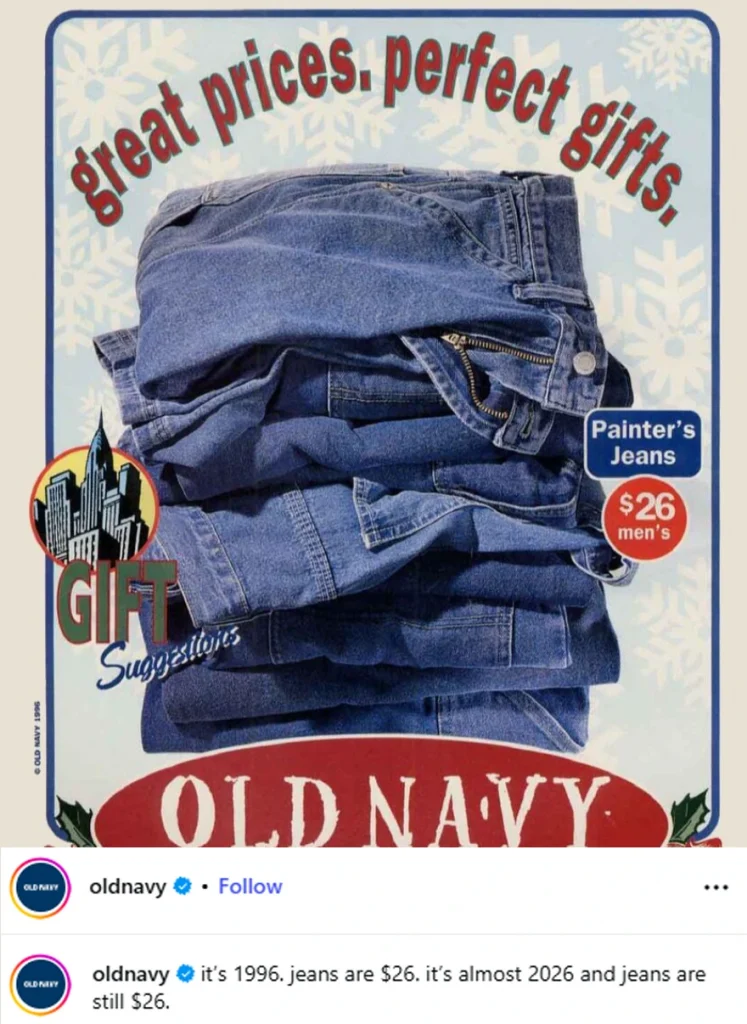
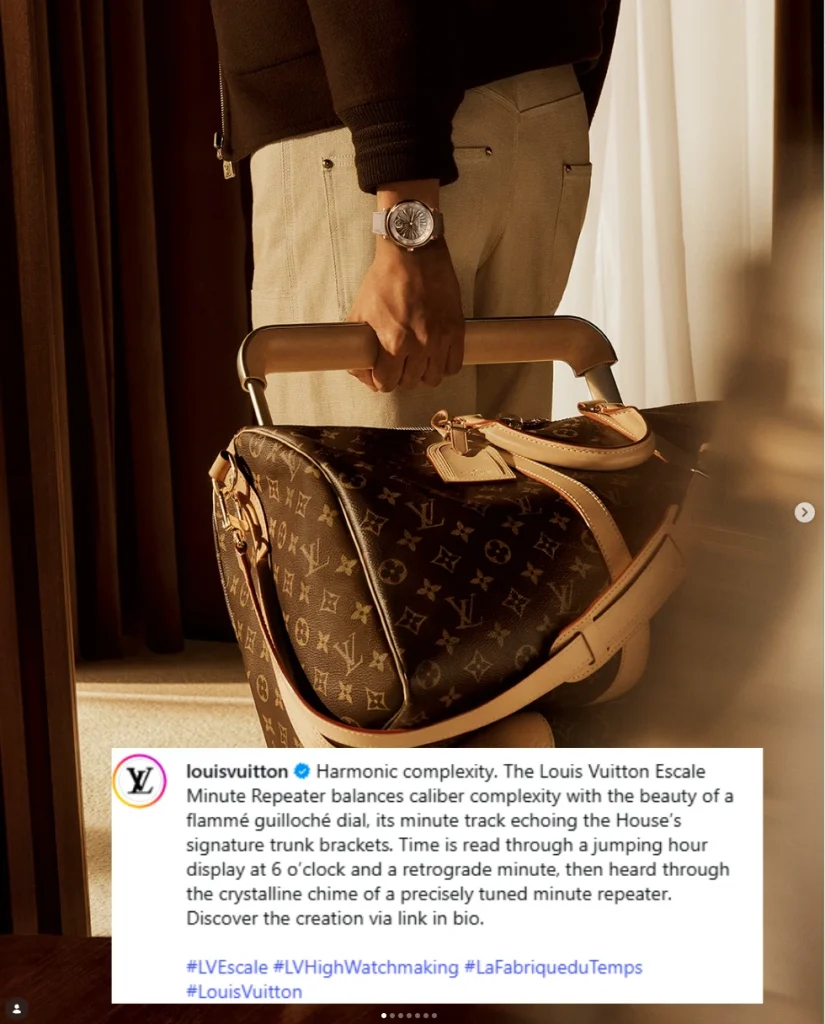
In contrast, luxury-focused buyers are drawn to brands such as Louis Vuitton that emphasize status and premium quality. They often respond better to elegant, aspirational descriptions rather than explicit pricing.
Many luxury buyers are drawn to the allure of products without prices listed, as it adds to the feeling of exclusivity.
For these consumers, their emotions often shape decisions more than logic, and the initial response to a high-end item is usually curiosity and intrigue rather than an immediate intent to buy.
That’s why the most effective marketing materials for this audience often lean into mystery, using less descriptive or direct messaging. In contrast to value products, luxury marketing from brands such as Louis Vuitton often frames technical details in a poetic or narrative way, and emphasizes the mastery and precision of the product rather than specific features.
The Why Behind Consumer Decisions
Successful marketing, such as these Instagram posts, works because brands understand how their customers think and what influences their decisions.
When we study consumer behavior, we’re not just putting people into neat categories and assuming they’ll respond in predictable ways.
Even if you already know your target audience and notice that your newest products are selling faster, you might not know why, or how that behavior could influence other decisions.
Why are these products moving quickly? Does it mean you should focus on selling more new releases? Or, should you spend more resources on marketing older products?
Maybe your audience simply doesn’t respond to older items, or you just need to adjust your messaging, using words and phrases that resonate better with them.
All of these choices and actions can be informed by an understanding of consumer behavior, rather than relying solely on obvious patterns or past interactions.
How Marketing Influences Consumer Behavior
While we can use consumer behavior to inform our marketing strategies, that’s not all we have the power to do. Marketing itself can be a factor that influences consumer behaviour, rather than simply responding to it.
Deliberate choices in how a product or message is presented can shape different types of behavior, and every decision in messaging, visuals, pricing, and timing can trigger psychological responses.
Scarcity, for example, can make people feel urgency, leading to FOMO (a fear of missing out).
Timing a promotion and sharing it in the evening, when users are scrolling leisurely on social media, can drive more engagement than posting it early in the morning when people are rushed.
Even colors and fonts can affect a consumer’s mood and attention, which subtly influences their behavior.
When we align our strategies with how the human mind actually works, copy, visuals, posting schedules, and every other element of our marketing approach become a tool to shape habits, decisions, and engagement.
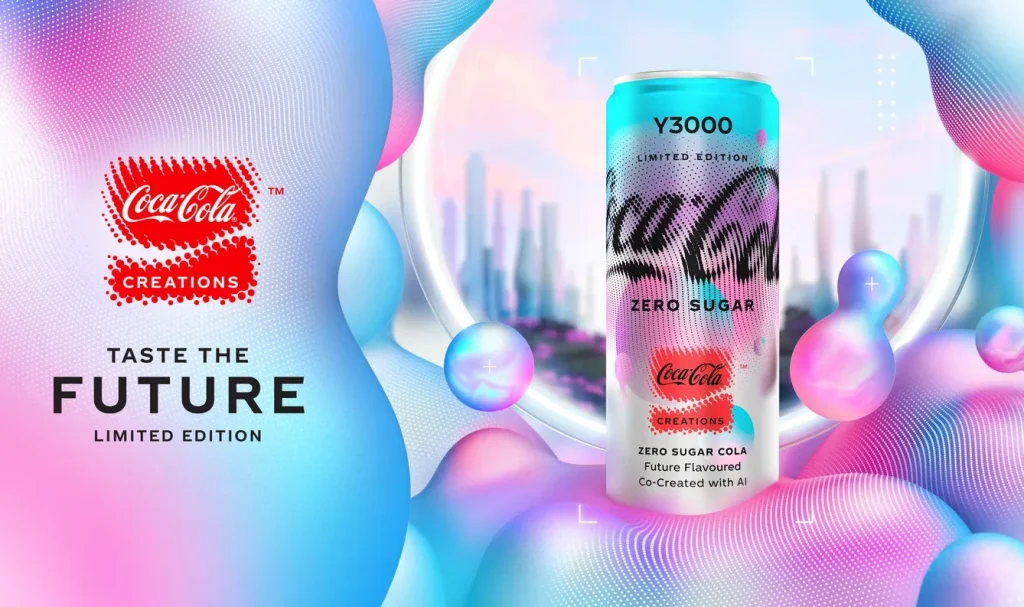
Advertisement from Coca-Cola Australia
Influencing Different Consumer Behaviors
When a product or campaign attracts different types of consumers, each group will interact with your marketing in its own way, since you’re triggering different behavioral responses.
The same marketing material can appeal differently depending on the consumer’s tendencies. For instance, a business that highlights its products’ eco-friendliness through video marketing could persuade socially conscious consumers to engage with the brand, but it might not affect others at all.
For certain consumers, such as those who prioritize convenience or low cost above all, the focus on eco-friendliness could even be seen as a negative, by signaling higher prices.
A marketing strategy will never influence just one type of consumer behavior, which is why businesses should acknowledge how different behavioral patterns respond to different cues.
But this depends on their goal.
If products are higher-cost, the business won’t want to focus on individuals who prioritize low prices. Marketing materials can instead emphasize the product’s eco-friendly qualities, perhaps through green or earth-tone color schemes, nature-inspired imagery, or messaging that highlights sustainability and long-term value.
On the other hand, if the goal is to attract low-cost buyers, marketing materials need to be adjusted for that group as well. The same eco-friendly product can be marketed as high value by emphasizing its durability and cost-effectiveness, encouraging this type of audience to engage, consider long-term benefits, and ultimately choose the product over cheaper, less sustainable alternatives.
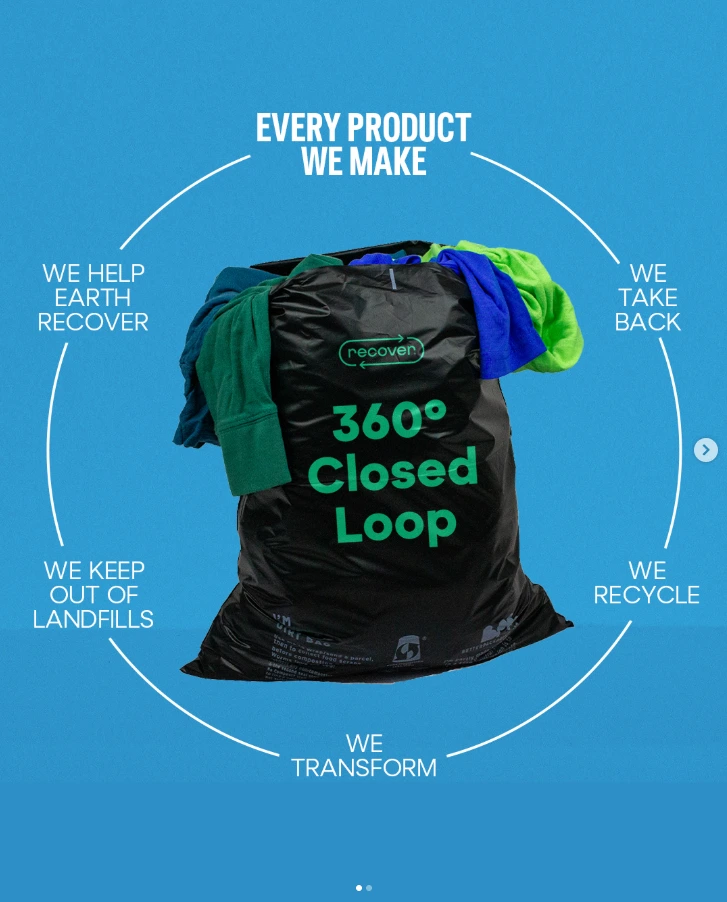
Instagram post from Recover Brands
Instead of assuming a one-size-fits-all approach, think about the range of ways people naturally behave and respond.
Every consumer has patterns, triggers, and emotional responses that guide decisions, and a well-designed campaign can interact with several of these at once.
Using Consumer Behavior to Guide Your Marketing
Assessing and influencing consumer behavior in your marketing approach can be fairly straightforward once you look at how different groups respond to your current campaigns.
Observe what types of customers you’re attracting, and use data such as purchase history, website analytics, or engagement metrics to gain insight into their demographics and preferences.
From there, you can draw conclusions about their behaviors and how they can be influenced.
Try small adjustments to language, visuals, and timing in your marketing and track how each change affects behavior.
- Are you noticing more shares on social media after using simpler layouts and brighter imagery?
- Do video promotions with nostalgic elements, such as retro color palettes, lead to higher views?
- Or, in your email campaign, does changing the send time from morning to late afternoon lead to higher open rates and click-throughs?
When you notice these changes, your team needs to consider the behaviour, rather than just the action.
Why are audiences responding in this way? Due to the simpler layouts, do they find the content easier to scan and understand, or is the clearer design more eye-catching, which grabs their attention and makes them more likely to share it?
With tweaks to your campaigns and research on the audiences you’re currently targeting and those you want to reach in the future, you can begin to understand how your marketing choices influence different behaviors.
From there, you can take it a step further by deliberately adjusting your campaigns to increase engagement and drive conversions through your marketing materials.
Learn Other Ways to Improve Your Marketing Effectiveness
Consumer behavior is just one of many tools that can shape and boost your marketing efforts. Want to explore more ways to improve your strategy and get better results?
Check out our blog for practical insights, step-by-step guides, tips, and ideas to take your marketing further.